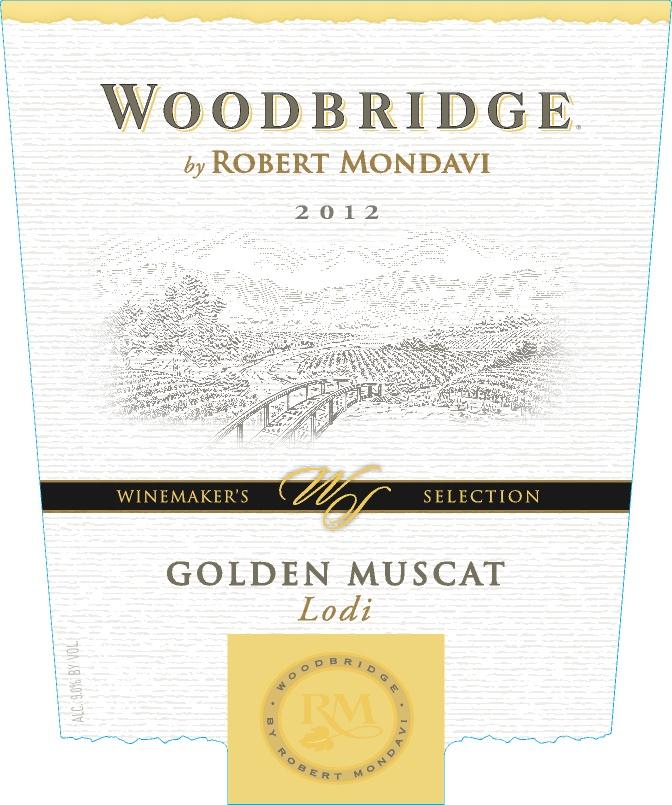
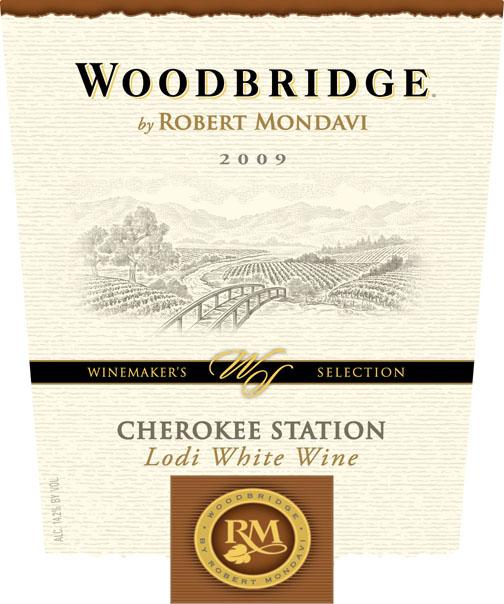
Terroir of Lodi
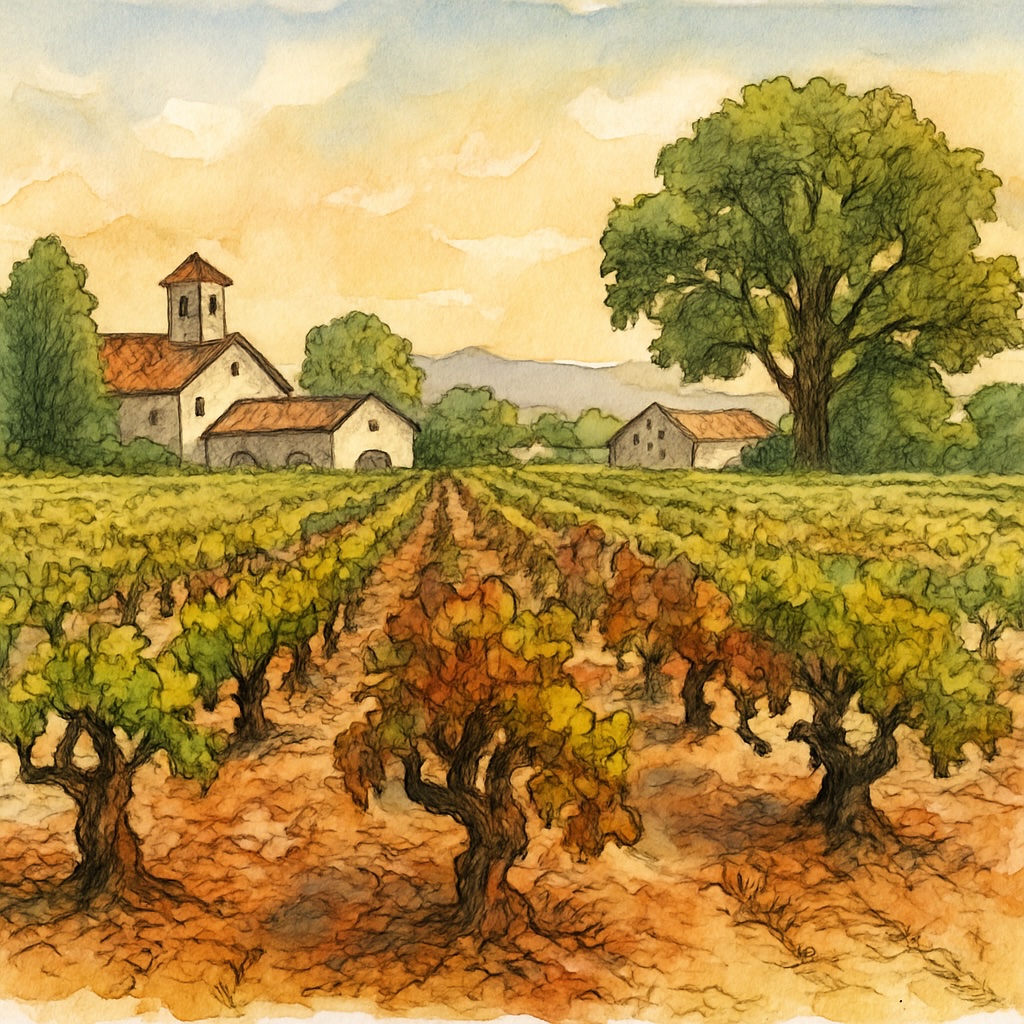
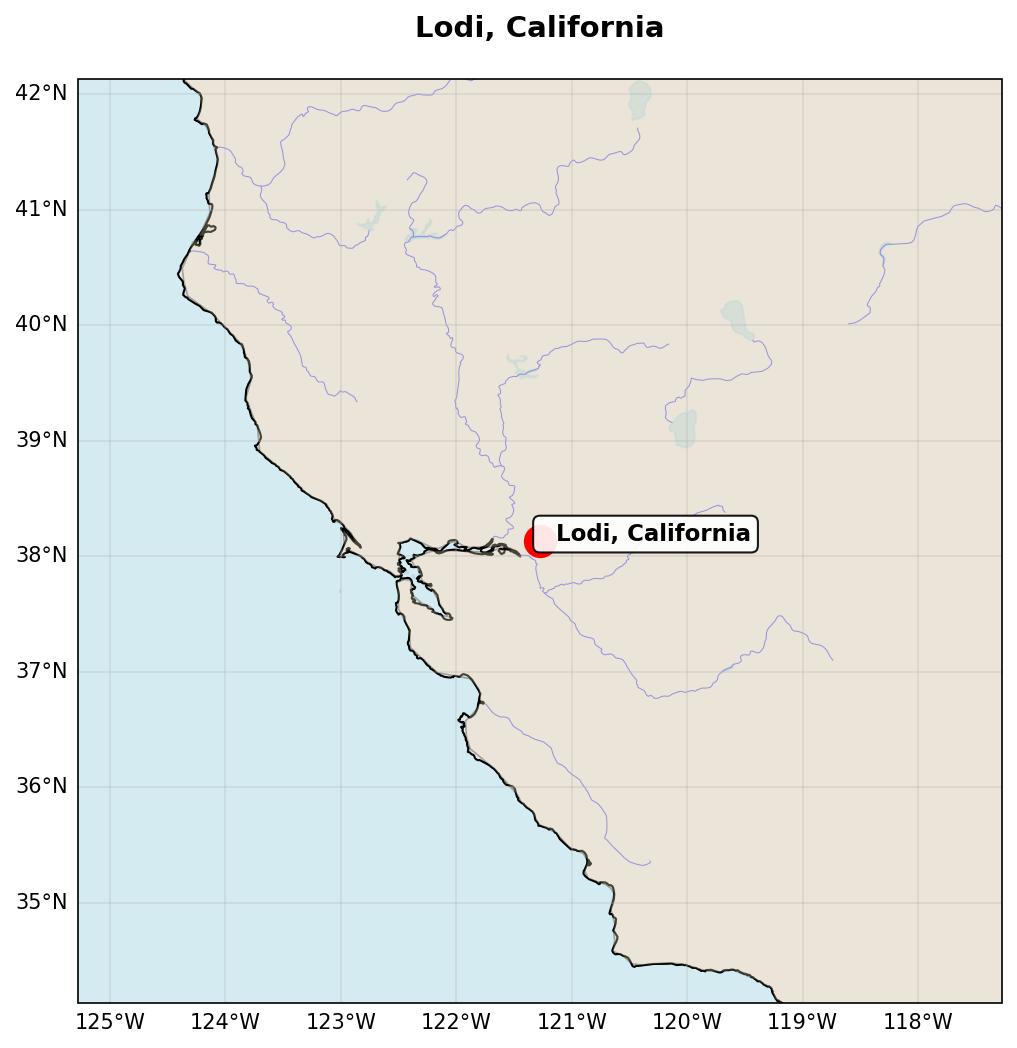
Lodi's terroir is marked by a warm, Mediterranean climate, ideal for growing grapes. As a Winkler Region IV area, it experiences hot, dry summers with cool evening breezes from the Sacramento–San Joaquin Delta. These winds help keep temperatures in check, allowing grapes to mature slowly, which preserves their acidity and boosts flavors.
The region's varied soils add to Lodi's wine diversity. The Mokelumne River AVA has deep sandy loams, while Clements Hills offers red volcanic clays and gravels. Other areas have gravelly loams and heavier clay-loam soils, each lending unique qualities to the vineyards.
Lodi is mostly flat with some rolling hills, allowing for natural airflow that prevents grapes from overripening. While irrigation is common because of irregular rainfall, old vines with deep roots often thrive without it, thanks to the fertile soil and abundant sunshine.
Notable Wineries in Lodi
The Lodi region, nestled in California's northern Central Valley, is renowned for its diverse wineries and rich winemaking tradition. Here are a few notable producers making waves:
-
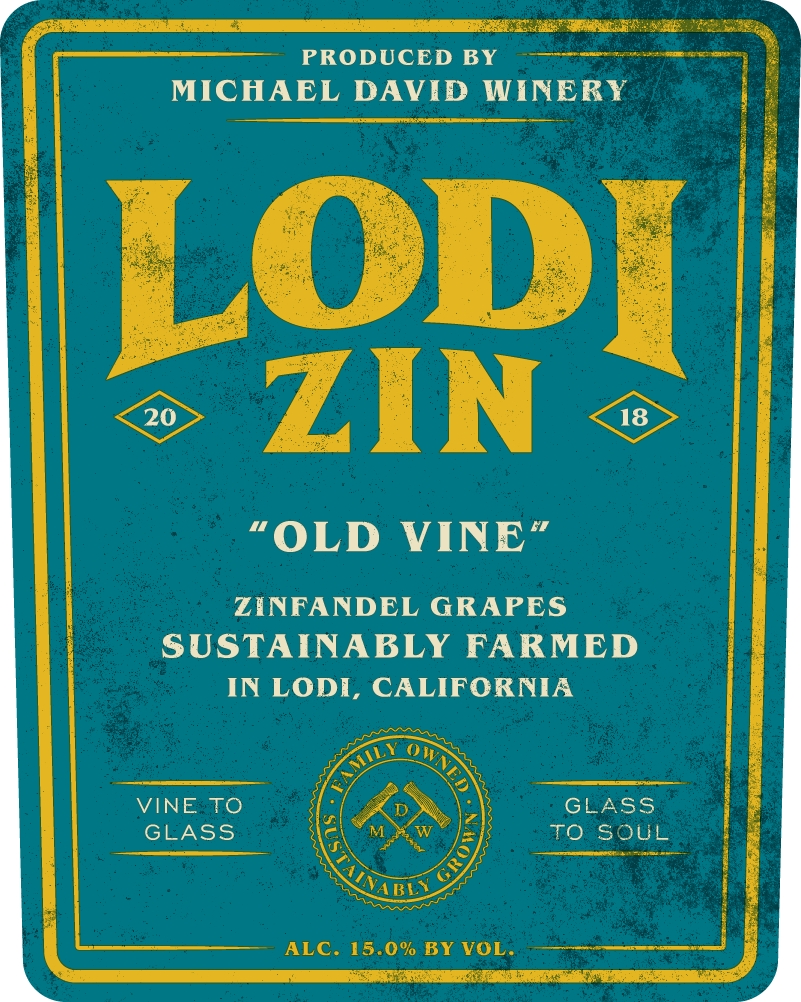
Michael David Winery: Renowned for its wide-ranging offerings, from approachable blends to premium reserves, in the Mokelumne River AVA.
-
LangeTwins Family Winery: A family-run estate focused on heritage vineyards and sustainability, producing wines true to their origins.
-
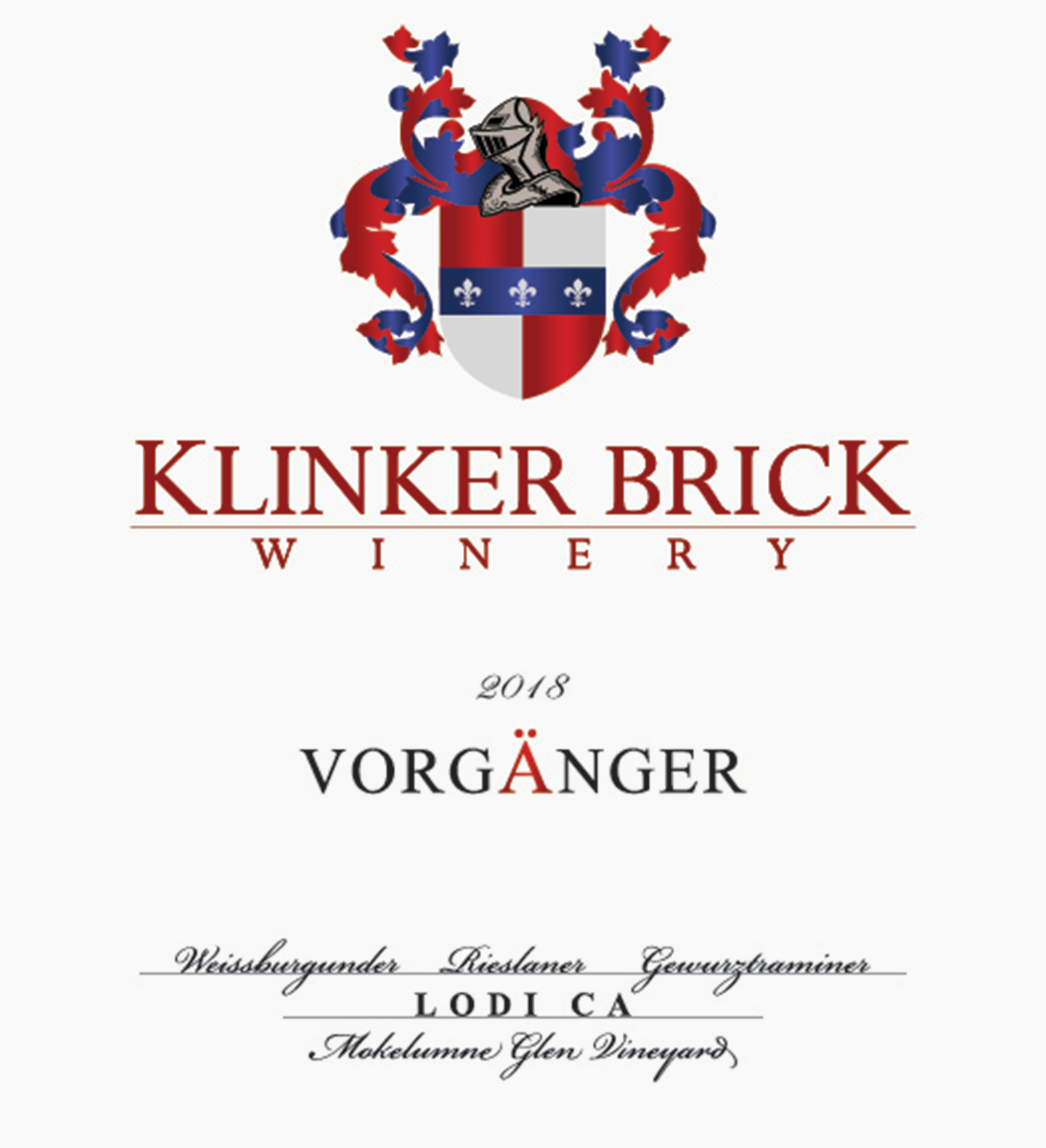
Klinker Brick Winery: A boutique favorite, celebrated for its bold old-vine Zinfandel and Petite Sirah.
-
Bokisch Vineyards: Known for pioneering Spanish grape varieties in Lodi, with a commitment to sustainable practices.
From traditional reds to innovative varietals, Lodi's wineries capture the essence of their unique terroir, offering wine enthusiasts a taste of the region's rich heritage and dynamic innovation.
Sustainable Winemaking in Lodi
Lodi stands at the forefront of sustainable winegrowing, with many vineyards certified under programs like Lodi Rules and SIP (Sustainability in Practice). These initiatives guide growers in using cover crops to enrich the soil and prevent erosion, while drip irrigation helps conserve precious water resources.
Energy efficiency is a priority, with wineries increasingly adopting solar power and recycling practices, such as repurposing grape pomace. Carbon-reduction goals further highlight Lodi's commitment to eco-friendly winemaking.
Integrated pest management is another key practice, with growers introducing beneficial insects, owl boxes, and wildflower strips to maintain ecological balance and reduce chemical use. This holistic approach not only supports healthy vines but also nurtures the surrounding environment, ensuring that Lodi continues to produce its renowned wines sustainably.
Wine Tourism in Lodi
Lodi's wine tourism scene offers a rich tapestry of experiences.
With over 100 wineries, visitors can engage in daily tastings, explore family-owned vineyards, and partake in unique events like winemaker dinners.
The region's scenic trails, such as the Mokelumne Coast-to-Crest Trail, provide picturesque settings for cycling and walking, enhancing the outdoor experience. Festivals in Lodi celebrate local grape varieties like Zinfandel, combining wine with culinary delights.
The farm-to-table dining culture is prominent, with accommodations like the Wine & Roses Hotel offering boutique lodging. Lodi stands out for its commitment to sustainability, with certified eco-friendly practices making it a leader in responsible winemaking.
This blend of scenic beauty, diverse wines, and sustainable practices ensures that Lodi is a prime destination for wine enthusiasts seeking a comprehensive and enriching experience.