Dom Pérignon

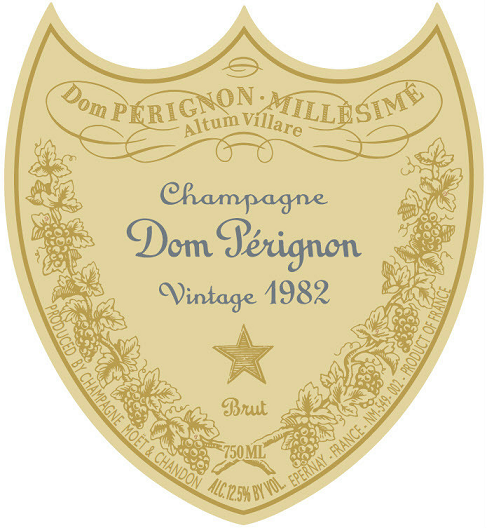
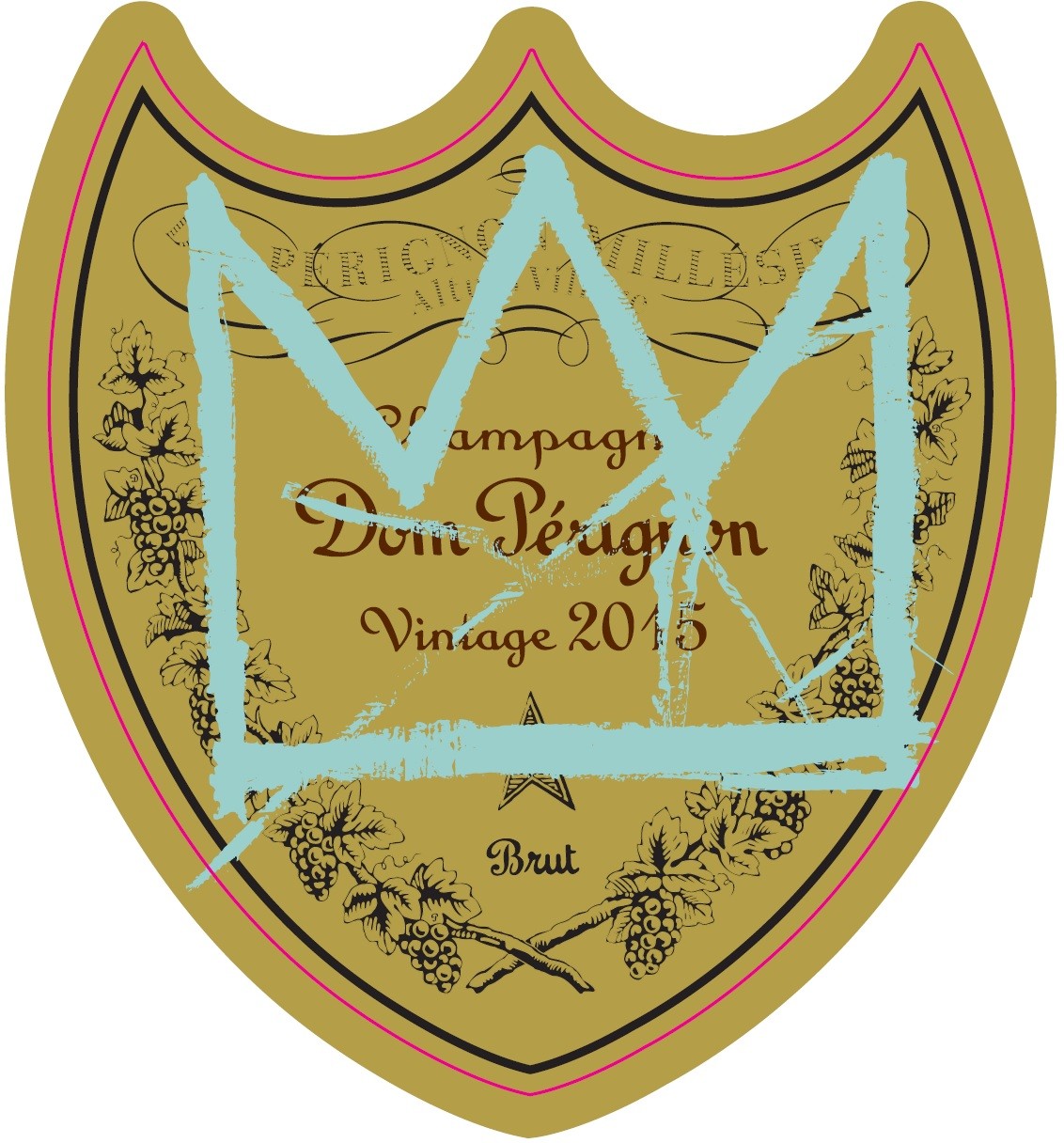
Dom Pérignon is the prestige cuvée of Moët & Chandon, produced in Épernay in France's Champagne region. It is named for Dom Pierre Pérignon, a 17th‑century Benedictine monk associated with early advances in Champagne production.

Wine selection

Wine you'll love, delivered

Get 6 wines tailored to your taste for just $90 $44.95 plus free shipping!

Claim offer
Image of Dom Pérignon wine

Dom Pérignon Vintage and Aging


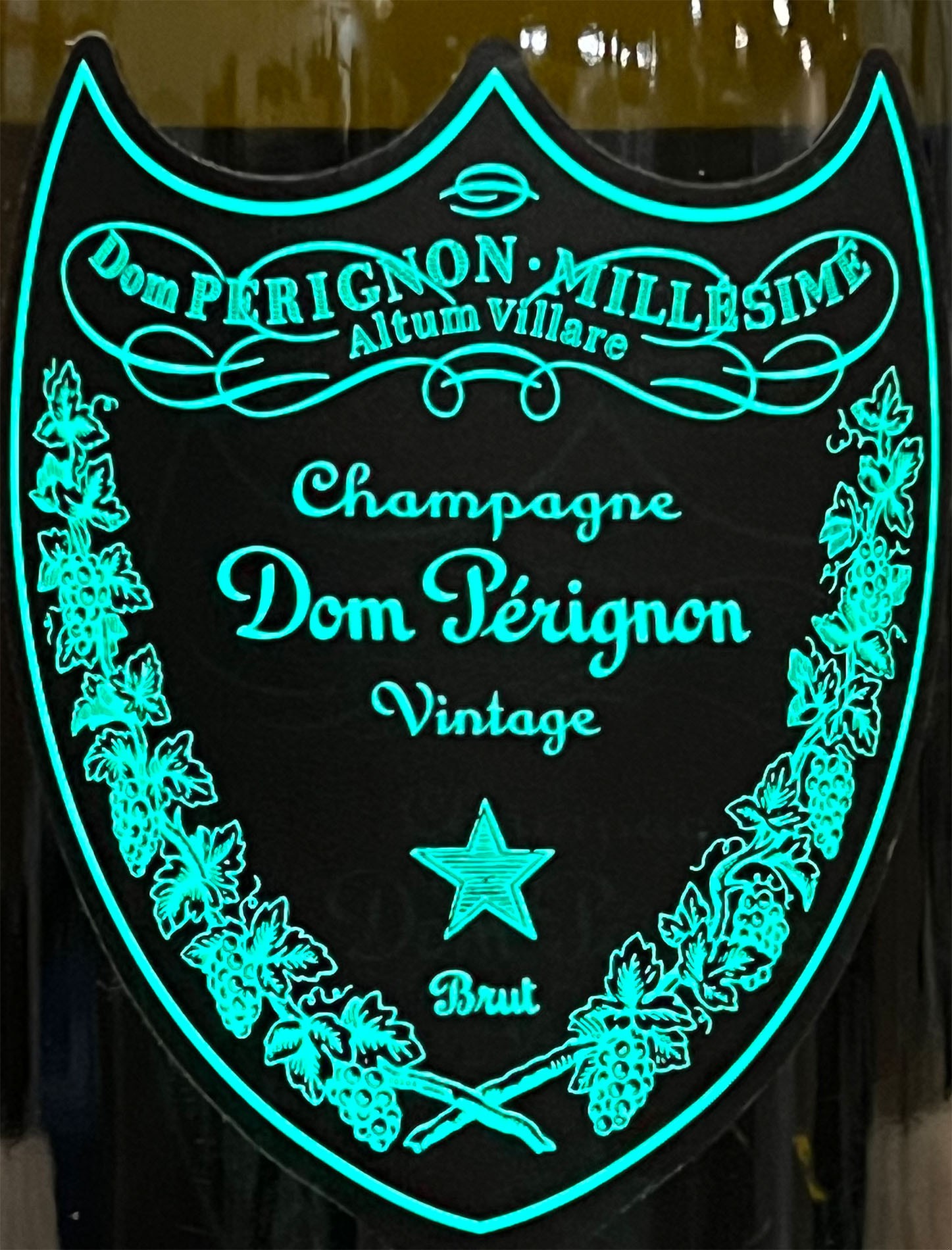
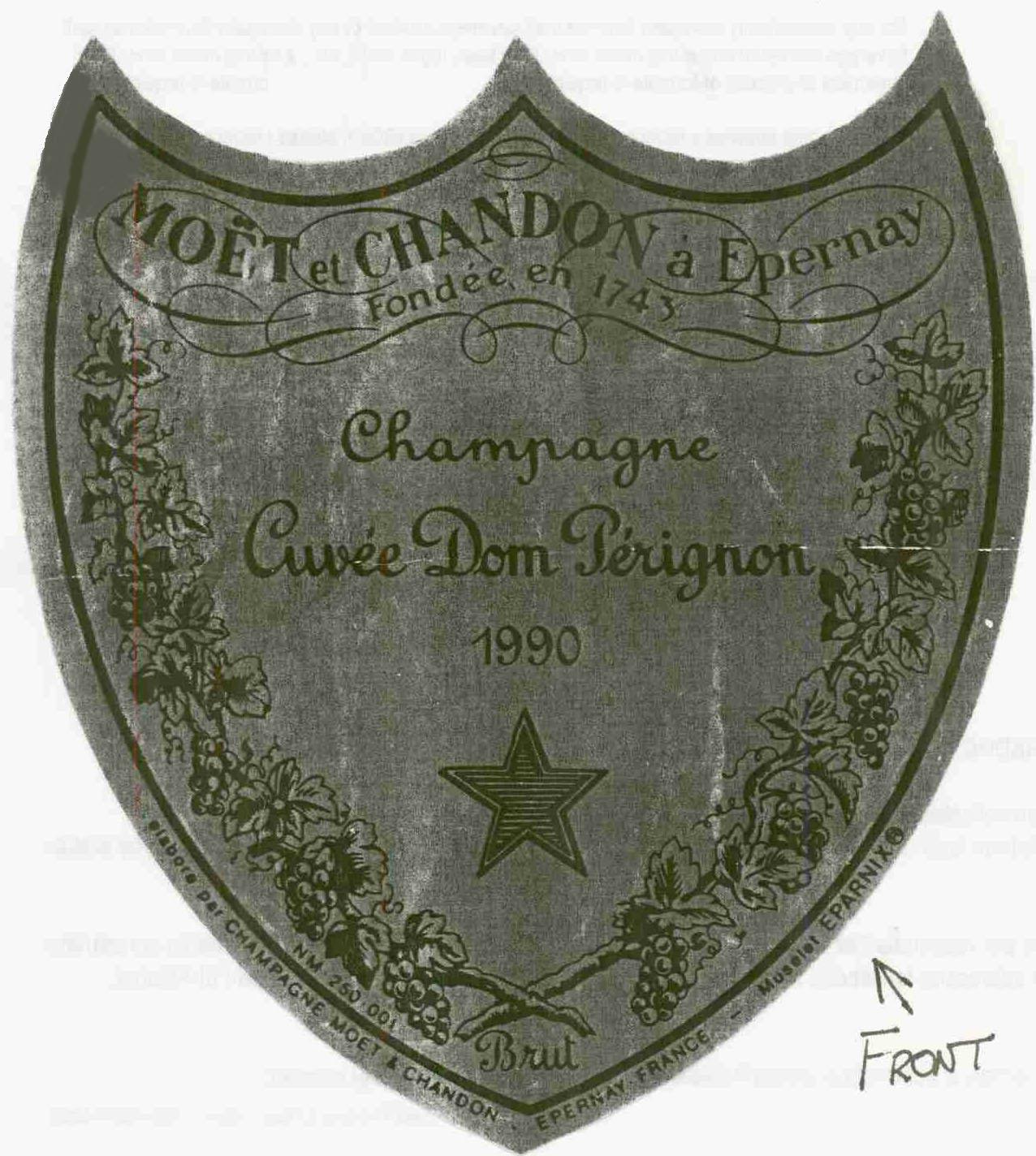
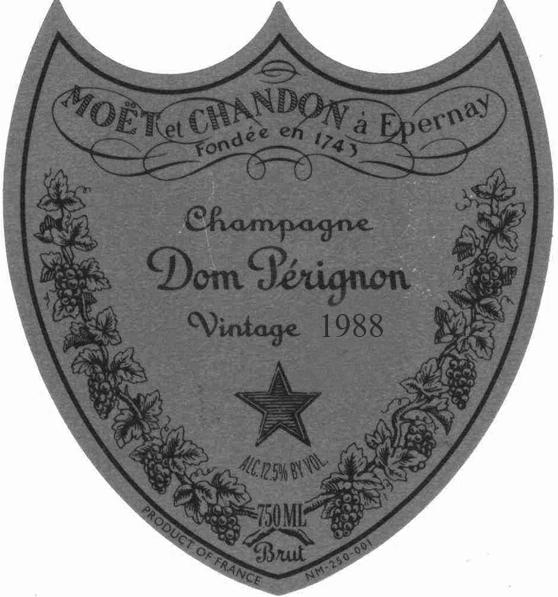
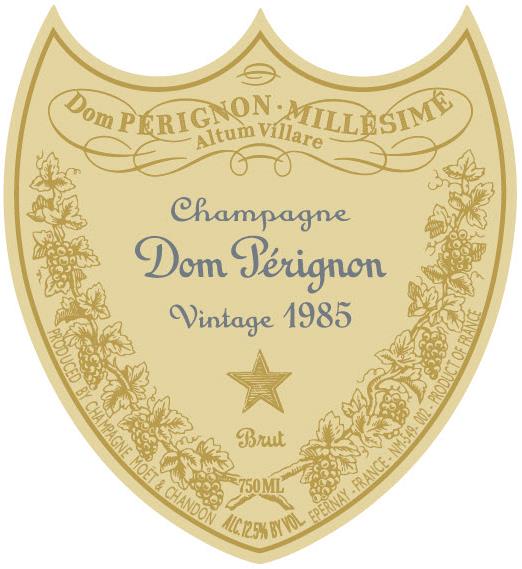
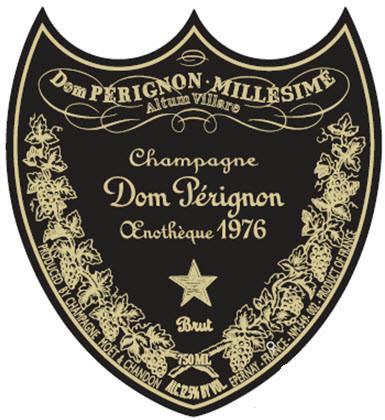
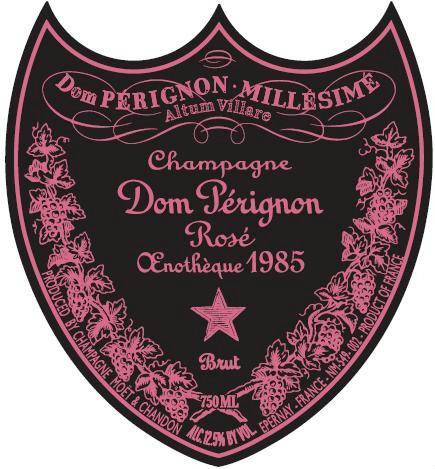
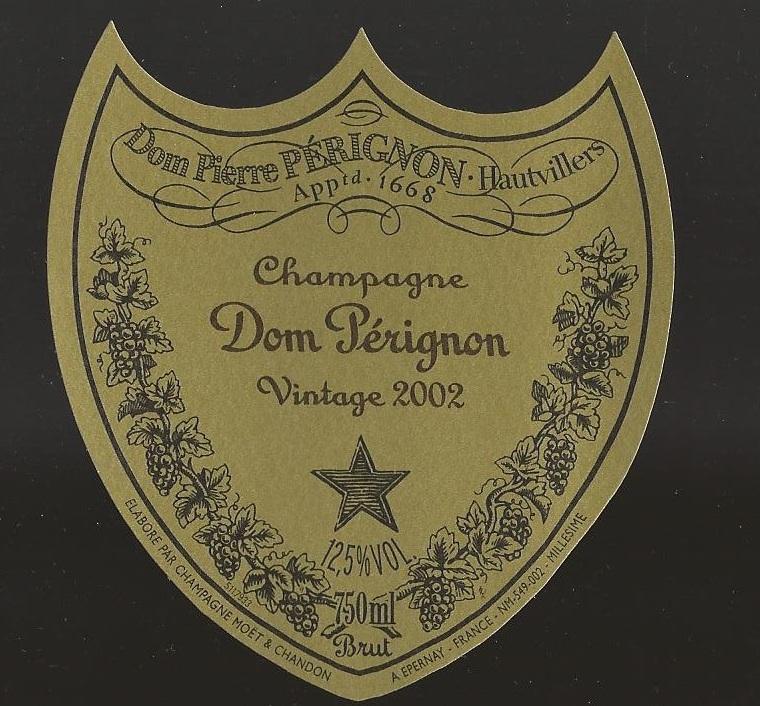
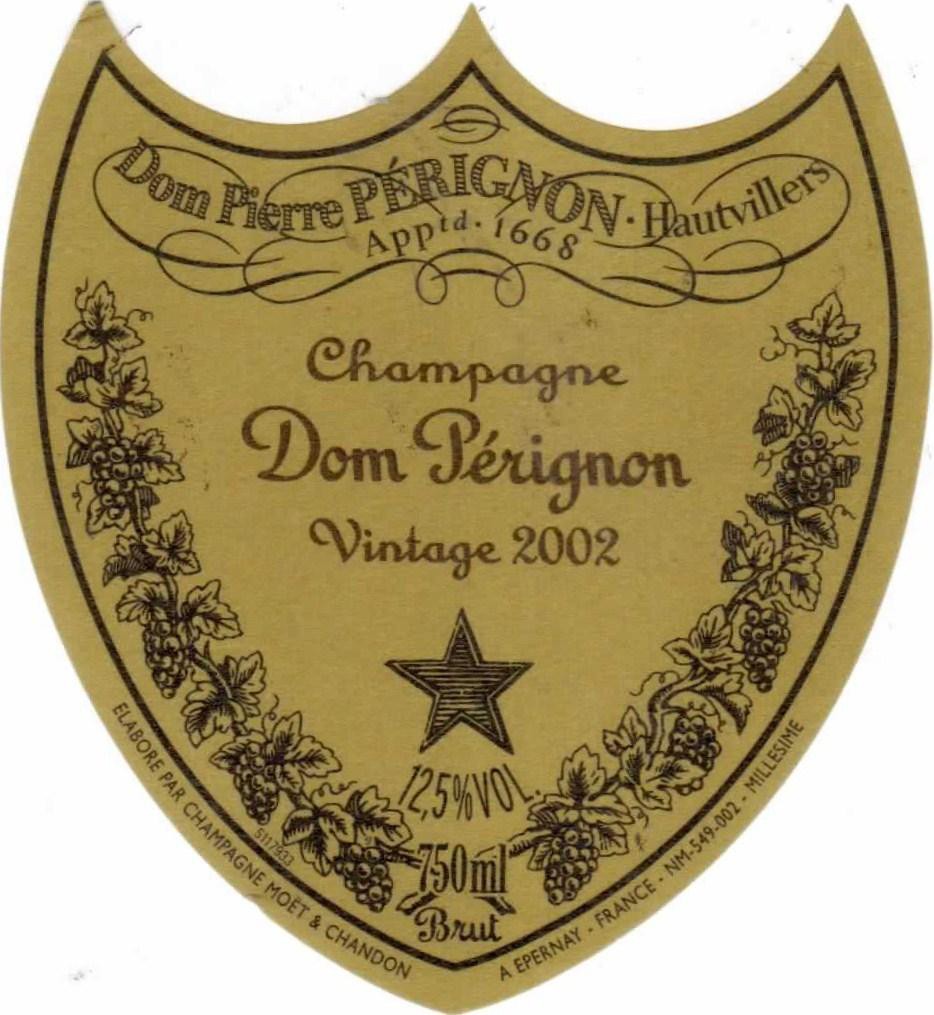
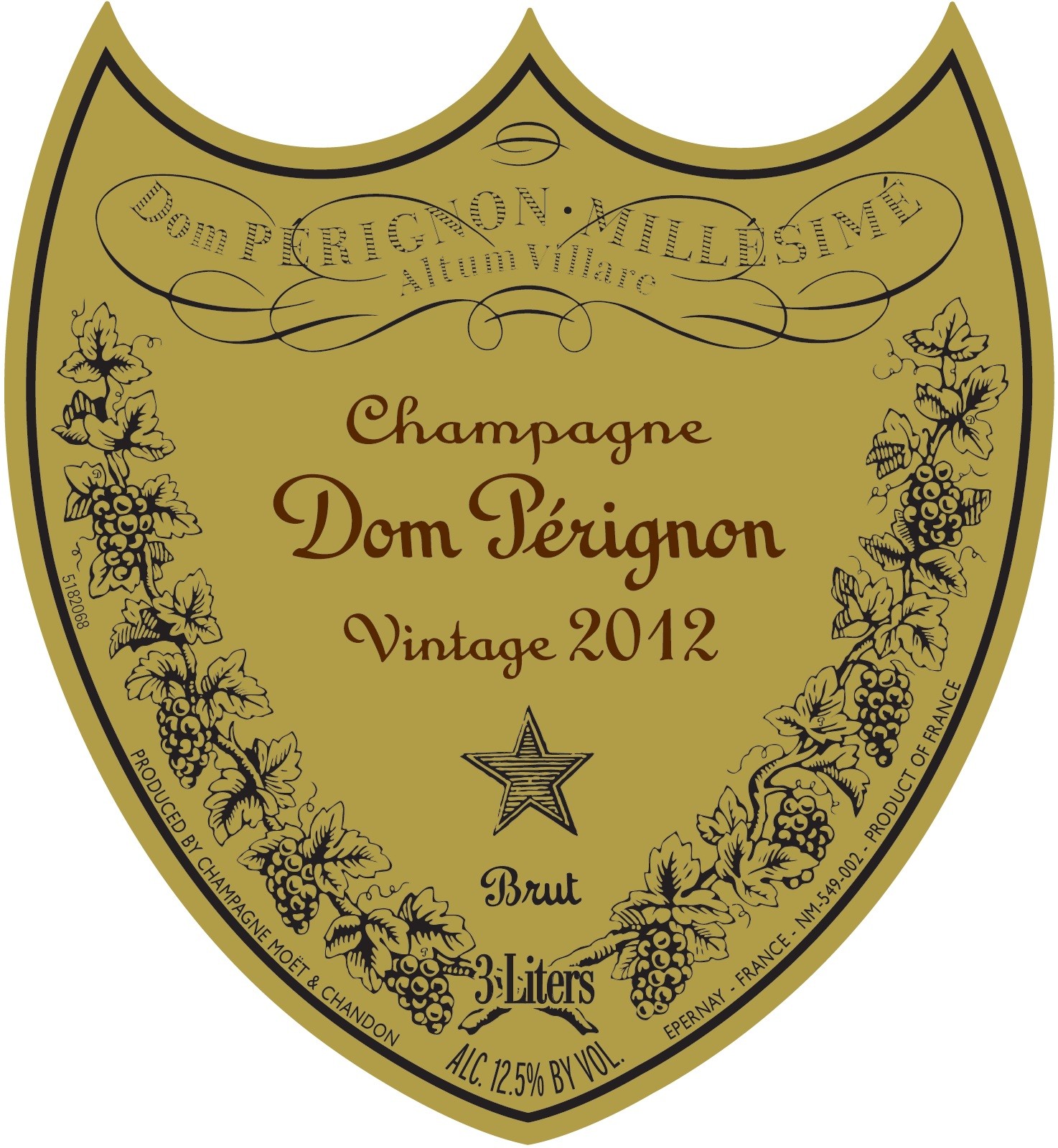
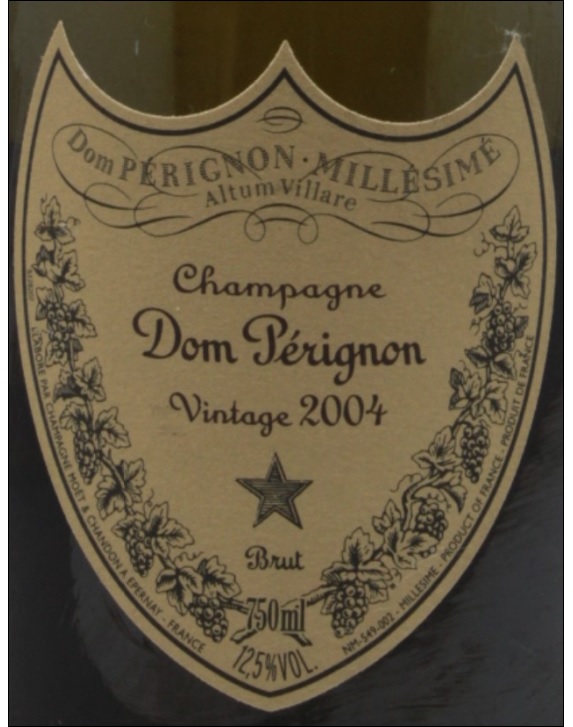
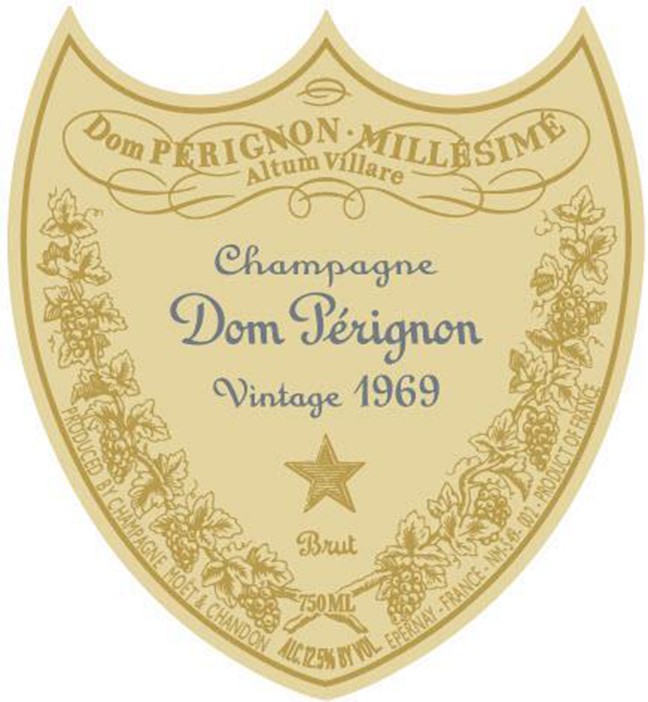
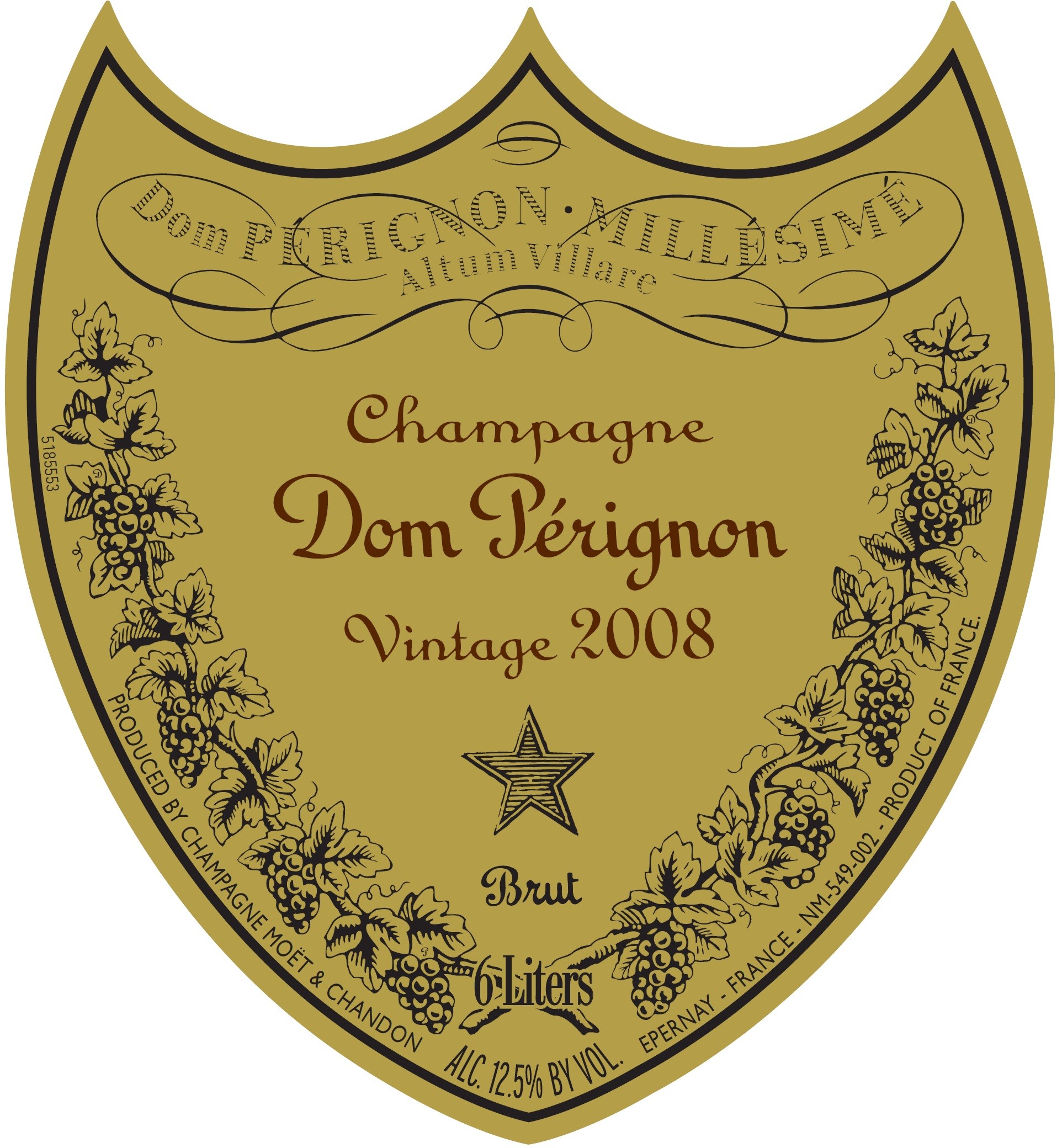
Dom Pérignon is produced as a vintage Champagne that aims to express the character of a single harvest. It is blended from Chardonnay and Pinot Noir sourced from the 17 Grand Crus of Champagne and the historic Premier Cru of Hautvillers; Pinot Meunier is not used. In years that do not meet the house's standards, no vintage is declared. The wine appears primarily as a blanc (brut) and, less frequently, as a rosé.

After the second fermentation in bottle, Dom Pérignon typically matures on its lees for about eight years before the first release, developing texture and complexity.

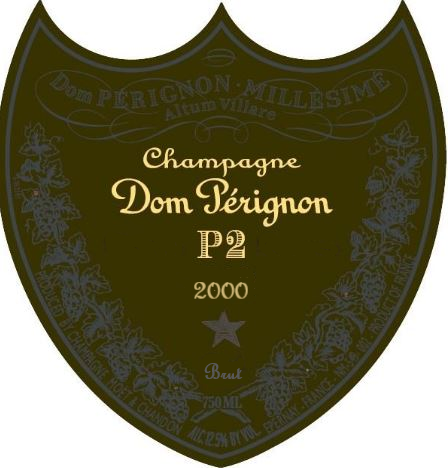
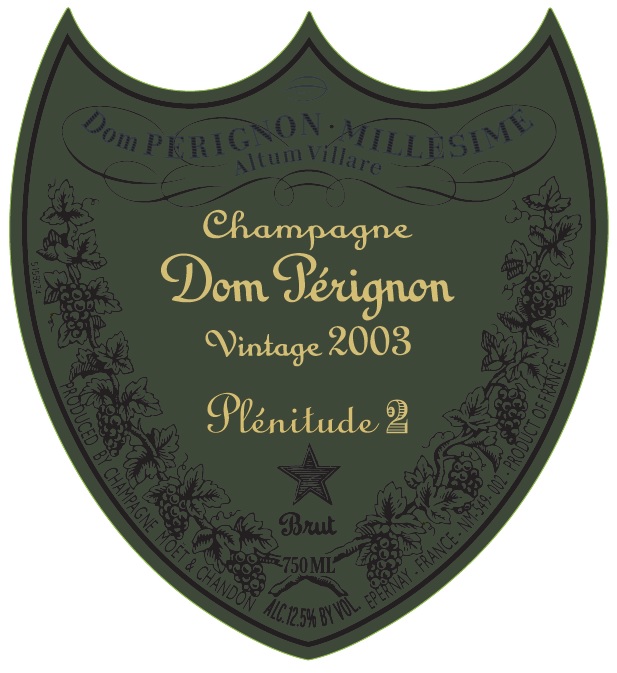
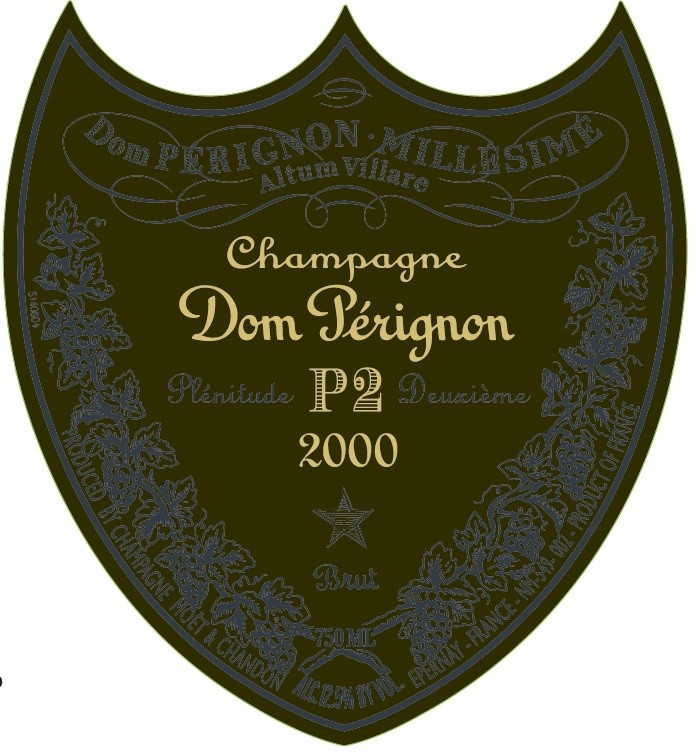
Plénitude releases provide additional aging stages. P1 refers to the initial release, usually 7–9 years after the vintage. P2 denotes a later release after extended lees aging, often around 15–20 years. P3 indicates an even longer lees aging, which can extend beyond 25 years. Each release follows disgorgement and is labeled accordingly, with P2 and P3 carrying distinct packaging to differentiate them from P1.

Cellaring guidance: well‑stored bottles of P1 often evolve positively for 10–20 or more years from the vintage; P2 and P3 generally show greater maturity on release and can hold for many additional years. Store bottles horizontally in a dark, vibration‑free space at a steady 10–13 °C with moderate humidity, and avoid temperature swings and strong light.

FAQs


  • Is Dom Pérignon always vintage?
    Yes. Dom Pérignon is produced only as a vintage Champagne when the harvest meets the house's standards.
  • Who produces Dom Pérignon, and who is the head winemaker?
    Dom Pérignon is made by Moët & Chandon in Épernay, France, and is part of the LVMH group. As of October 2024, the Chef de Cave is Vincent Chaperon, who succeeded Richard Geoffroy in 2019.
  • What was the first vintage?
    1921, first released in 1936.
  • What grapes go into Dom Pérignon, and where are they sourced?
    Chardonnay and Pinot Noir, sourced from the 17 Grand Crus of Champagne and the historic Premier Cru of Hautvillers.
  • Why is Dom Pérignon expensive?
    Pricing reflects factors such as strict grape selection, a vintage‑only approach, extended lees aging, and the absence of production in some years.
  • Can Dom Pérignon age well?
    With proper storage, it can develop for decades. Typical P1 bottles are often at their best within 10–20 or more years from the vintage, while P2 and P3 are released later and can hold for longer.
  • Does Dom Pérignon make rosé Champagne?
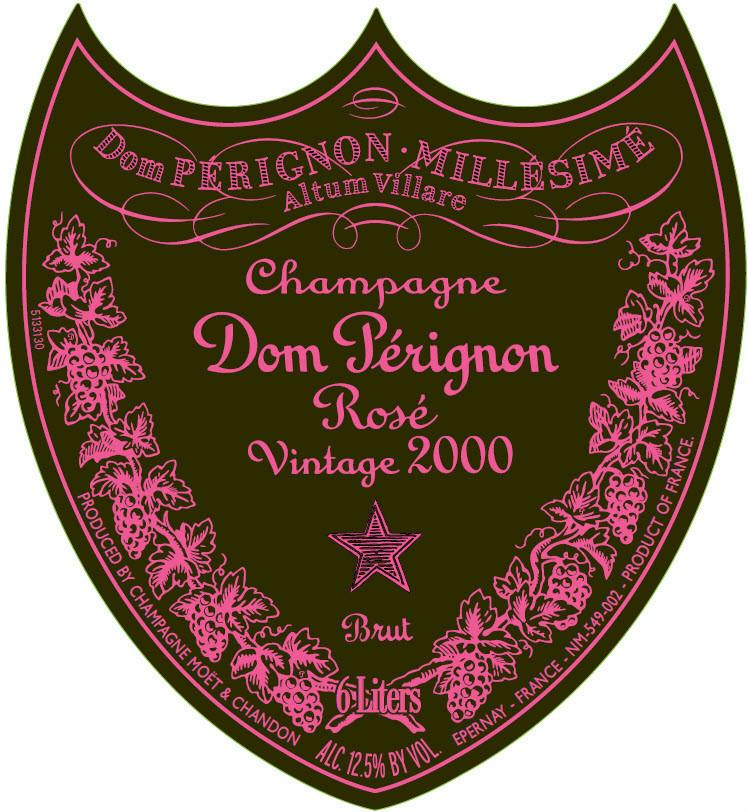
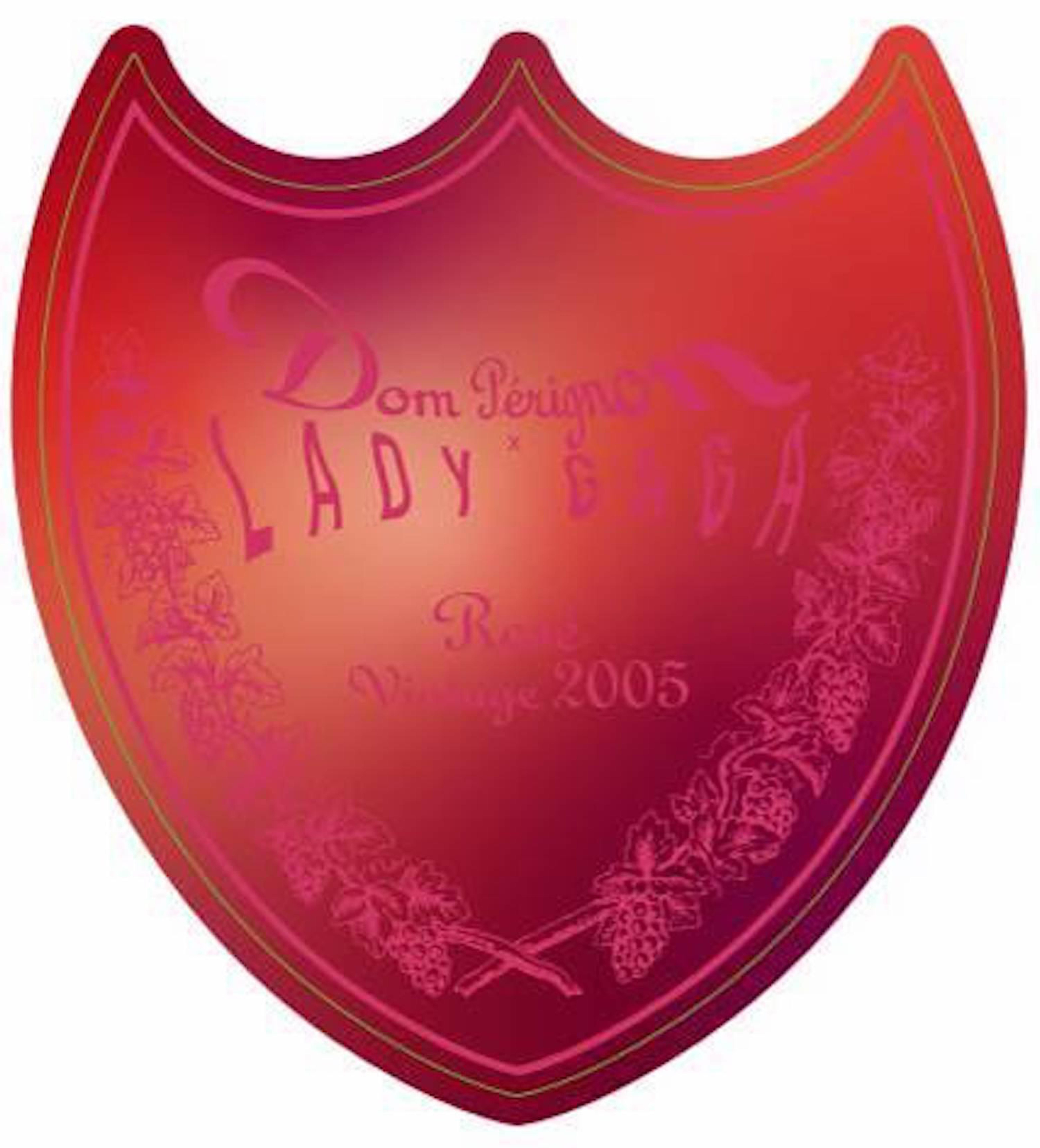
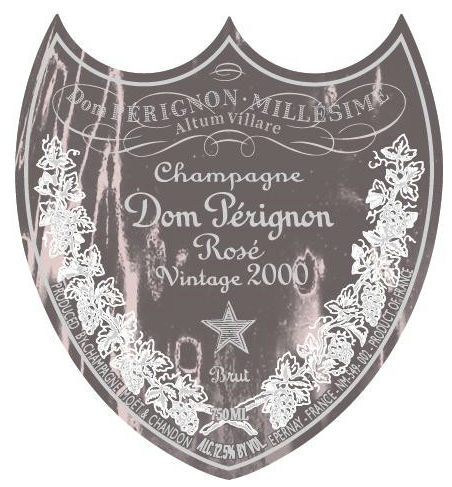
    Yes, rosé is produced in selected vintages, generally in smaller quantities than the blanc.
  • What are P1, P2, and P3?
    These terms indicate successive Plénitude releases after progressively longer lees aging: P1 is the first release, P2 a later release often around 15–20 years after the vintage, and P3 a late release after 25 years or more.
  • How should I store Dom Pérignon?
    Keep bottles horizontal in a dark, vibration‑free place at a stable 10–13 °C with moderate humidity, away from temperature swings and light.
Wine selection

Enjoy wine handpicked for you

Join today to get 6 wines for just $90 $44.95 plus free shipping

Get started
Wine selection

Savor wines from across the globe

Get free shipping and 50% off your first box of personalized wines!

Personalize my wines