Terroir of Prosecco
Nestled on steep hills ranging from 100 to 500 meters, Prosecco vineyards are positioned on the southern edge of the Alps, leaning towards the Adriatic plain. In Conegliano and Valdobbiadene, south-facing slopes dominate, while cooler north-facing areas often remain forested. This diverse landscape supports various soil types: deep, stony soils rich in clay and iron, and shallower marine marls and sandstone, contributing to the wine's varied expressions and flavors.
The region enjoys a mild climate, influenced by proximity to the Adriatic Sea and the Dolomites. Temperatures average 12–13°C, with significant day-night variations enhancing grape acidity and ripeness. Despite annual rainfall of 1,200–1,300 mm, frequent breezes and open hillsides promote quick drying, reducing rot risk. These conditions ensure the production of clean, zesty base wines, key to Prosecco's crisp, aromatic style.
Notable Wineries in Prosecco
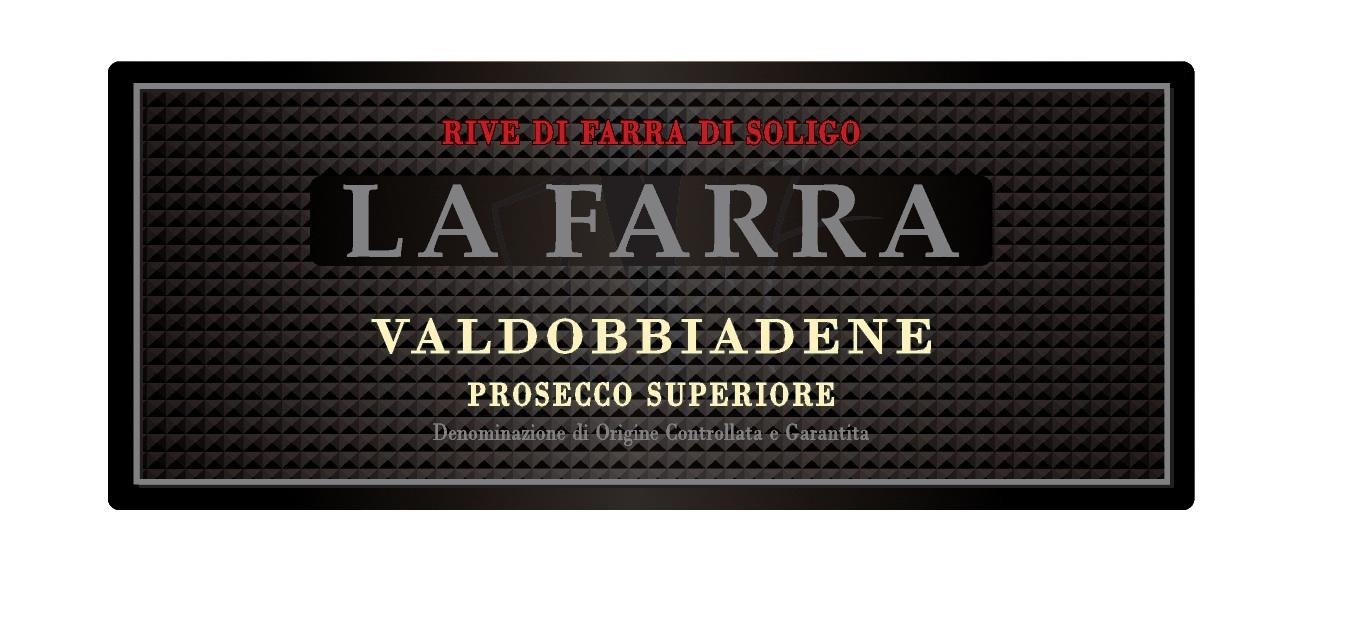
Valdobbiadene, at the heart of the Prosecco region, is home to some of Italy's most esteemed wineries. These producers masterfully capture the essence of the area’s unique terroir and sparkling traditions:
-
Nino Franco: Established in 1919, renowned for its “Rustico” and prestigious Brut Cartizze wines.
-
Bisol: A multi-generational family estate offering a wide range from entry-level to premium Cartizze wines.
-
Col Vetoraz: Known for high-altitude vineyards producing expressive wines with fine textures.
-
Villa Sandi: Offers an extensive lineup from DOC wines to premium Superiore selections in a Palladian villa setting.
-
Bortolomiol: Celebrated for modern, sustainable practices, crafting vintage-dated cuvées and rosé wines.
These wineries illustrate the region's blend of tradition and innovation, reinforcing Valdobbiadene's reputation for exceptional Prosecco wines.
Sustainable Winemaking in Prosecco
In the Prosecco region, sustainability is taking center stage as growers increasingly adopt eco-friendly practices to protect their cherished hillsides. These efforts are crucial for maintaining the land's integrity and the wine's prestige. With steep slopes hindering heavy machinery use, many vineyards rely on hand labor and cover crops, significantly reducing herbicide application.
Efforts are focused on enhancing soil health and preventing erosion through grassed pathways and minimal tilling, which promote biodiversity and improve water retention. Meanwhile, some wineries are turning to renewable energy and joining consortiums to minimize waste, utilize lighter bottles, and conserve water. These practices not only safeguard the environment but also ensure that Prosecco continues to be synonymous with quality and elegance for future generations.
Wine Tourism in Prosecco
The Prosecco region in northeastern Italy offers rich wine tourism opportunities, with its scenic hills and cultural landmarks. Visitors can explore the historic wine route between Valdobbiadene and Conegliano, featuring cycling paths and guided vineyard walks. The area is dotted with tasting rooms in beautifully renovated villas, offering local delicacies like regional cheeses and seafood.
-
UNESCO Recognition: The Conegliano–Valdobbiadene hills are a UNESCO Cultural Landscape, boosting conservation and tourism.
-
Cultural Attractions: Discover medieval castles such as Castello di San Salvatore.
-
Wine Events: Enjoy a spring series of tastings and a major cycling event in the vineyards.
-
Proximity to Venice: Easily combine a Prosecco tour with Venice sightseeing for a rich cultural experience.