
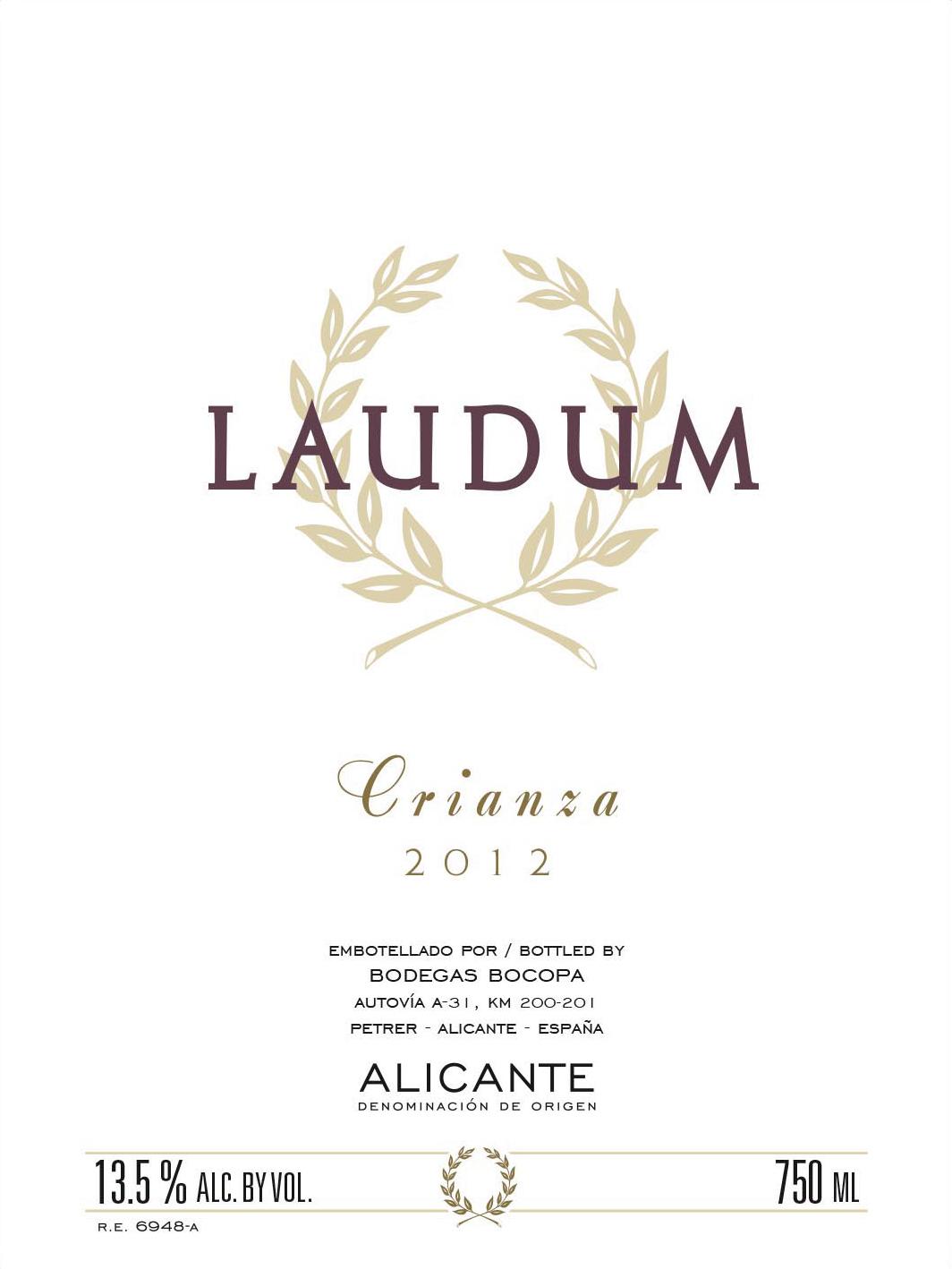
2012 Alicante Cabernet Sauvignon, Merlot, Monastrell
Laudum Crianza is a captivating red wine from the picturesque Alicante region, showcasing a harmonious blend of Cabernet Sauvignon, Merlot, and Monastrell. This vintage, filled with rich ruby hues, offers a full-bodied experience that is both inviting and complex. The bright acidity highlights its vibrant character, while the fruit intensity bursts with dark fruit notes, including blackcurrant and plums, complemented by subtle hints of spice and oak. The tannins are well-integrated, providing a firm structure without overwhelming the palate. This wine is elegantly dry, making it a fantastic choice for food pairings or enjoying on its own, reflecting the unique terroir of Alicante and the craftsmanship that has gone into its creation.
Laudum Crianza is a captivating red wine from the picturesque Alicante region, showcasing a harmonious blend of Cabernet Sauvignon, Merlot, and Monastrell. This vintage, filled with rich ruby hues, offers a full-bodied experience that is both inviting and complex. The bright acidity highlights its vibrant character, while the fruit intensity bursts with dark fruit notes, including blackcurrant and plums, complemented by subtle hints of spice and oak. The tannins are well-integrated, providing a firm structure without overwhelming the palate. This wine is elegantly dry, making it a fantastic choice for food pairings or enjoying on its own, reflecting the unique terroir of Alicante and the craftsmanship that has gone into its creation.


