
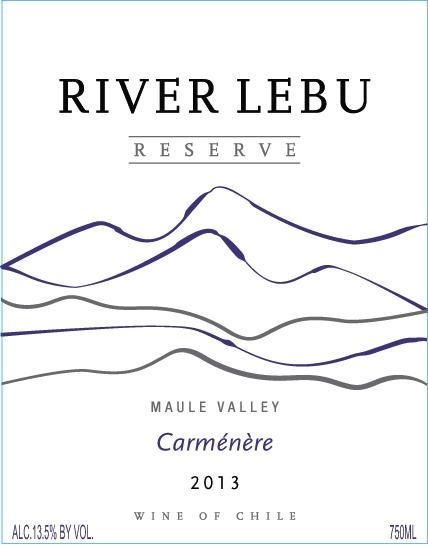
2013 Maule Valley Carmenere
The River Lebu Reserve Carmenere from the Maule Valley is a stunning red wine that showcases the expressive qualities of this varietal. With a full-bodied profile, it delivers a harmonious balance of luscious fruit and savory undertones. The wine boasts a bright acidity that adds a refreshing lift, complementing the prominent fruit intensity that presents itself as a medley of ripe blackberries, plums, and a hint of herbal notes. The tannins are firm yet refined, providing structure without overwhelming the palate. This dry wine culminates in a mouthwatering finish, making it a delightful choice for pairing with grilled meats or rich stews. The 2013 vintage expresses the unique terroir of the Maule Valley, creating an exceptional experience for wine enthusiasts.
The River Lebu Reserve Carmenere from the Maule Valley is a stunning red wine that showcases the expressive qualities of this varietal. With a full-bodied profile, it delivers a harmonious balance of luscious fruit and savory undertones. The wine boasts a bright acidity that adds a refreshing lift, complementing the prominent fruit intensity that presents itself as a medley of ripe blackberries, plums, and a hint of herbal notes. The tannins are firm yet refined, providing structure without overwhelming the palate. This dry wine culminates in a mouthwatering finish, making it a delightful choice for pairing with grilled meats or rich stews. The 2013 vintage expresses the unique terroir of the Maule Valley, creating an exceptional experience for wine enthusiasts.


