
2014 Maule Valley Cabernet Sauvignon
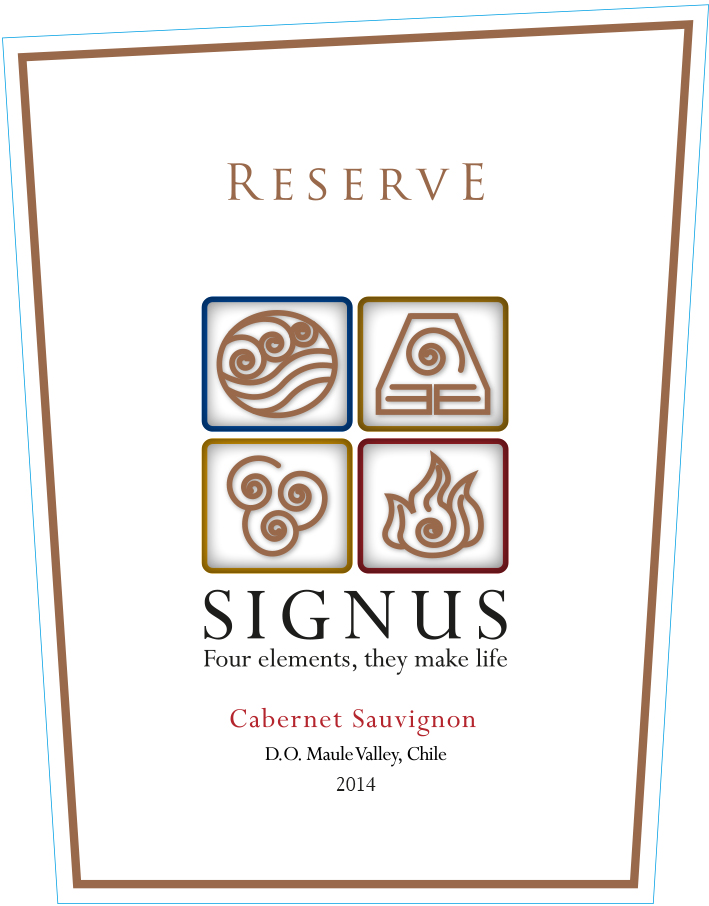
The Signus Reserve Cabernet Sauvignon from the 2014 vintage is a delightful expression of the Maule Valley, showcasing a vibrant red hue that captivates the eye. This full-bodied wine displays a rich array of fruit intensity, offering pronounced notes of dark berries, blackcurrant, and a hint of plum, creating a mouthwatering profile that entices the palate. The wine's acidity is bright and lively, providing a refreshing lift that complements its robust character. Tannins are firm and structured, adding depth and complexity while ensuring a smooth finish. As a dry wine, it is well-balanced, making it an excellent companion for hearty dishes or a fine indulgence on its own.
The Signus Reserve Cabernet Sauvignon from the 2014 vintage is a delightful expression of the Maule Valley, showcasing a vibrant red hue that captivates the eye. This full-bodied wine displays a rich array of fruit intensity, offering pronounced notes of dark berries, blackcurrant, and a hint of plum, creating a mouthwatering profile that entices the palate. The wine's acidity is bright and lively, providing a refreshing lift that complements its robust character. Tannins are firm and structured, adding depth and complexity while ensuring a smooth finish. As a dry wine, it is well-balanced, making it an excellent companion for hearty dishes or a fine indulgence on its own.


