
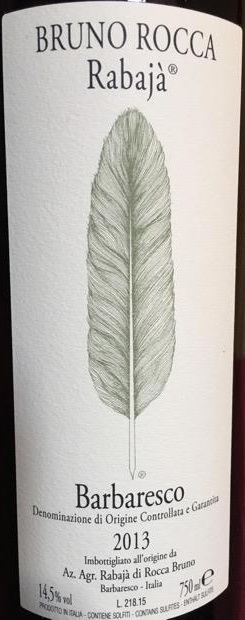
2013 Barbaresco Red Blend
Bruno Rocca Rabajà from the exquisite Barbaresco region is a captivating red blend from the exceptional 2013 vintage. This wine presents a beautiful, deep red color that entices the eye and promises rich flavors. On the palate, it is medium-bodied with a lively acidity that adds freshness and balance to its character. The fruit intensity is prominent, showcasing delightful notes of dark berries intertwined with hints of plums and cherries, harmoniously complemented by subtle earthy undertones. The tannins are notable yet refined, lending structure and a firm backbone that enhances its depth. This wine is beautifully dry, making it a superb companion for a variety of dishes, especially savory meats and rich sauces, while also standing out on its own as a delightful sipping wine. Overall, Bruno Rocca Rabajà embodies the elegance and complexity characteristic of Barbaresco, inviting enthusiasts to savor every sip.
Bruno Rocca Rabajà from the exquisite Barbaresco region is a captivating red blend from the exceptional 2013 vintage. This wine presents a beautiful, deep red color that entices the eye and promises rich flavors. On the palate, it is medium-bodied with a lively acidity that adds freshness and balance to its character. The fruit intensity is prominent, showcasing delightful notes of dark berries intertwined with hints of plums and cherries, harmoniously complemented by subtle earthy undertones. The tannins are notable yet refined, lending structure and a firm backbone that enhances its depth. This wine is beautifully dry, making it a superb companion for a variety of dishes, especially savory meats and rich sauces, while also standing out on its own as a delightful sipping wine. Overall, Bruno Rocca Rabajà embodies the elegance and complexity characteristic of Barbaresco, inviting enthusiasts to savor every sip.


