
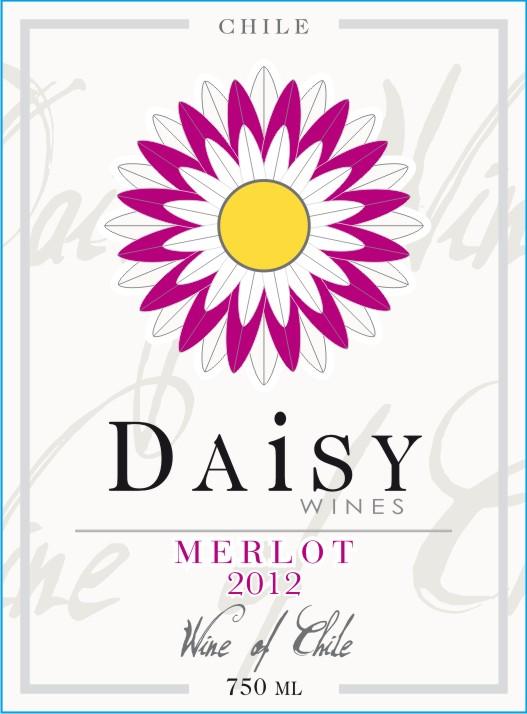
2013 Maule Valley Merlot
The 2013 Daisy Merlot from the renowned Maule Valley presents a captivating red hue that beckons the senses. Sporting a medium body, this wine harmoniously balances its elements, allowing the lush flavors to unfold gracefully on the palate. The acidity is vibrant yet approachable, contributing to a refreshing experience that invites another sip. With medium tannins, the wine offers soft structure that complements its fruit-forward character, featuring delightful notes of ripe blackcurrant and subtle hints of dark chocolate. This Merlot is dry, making it a versatile choice for various food pairings, showcasing its true food-friendly nature. Overall, the Daisy Merlot is an enchanting expression of the Maule Valley terroir, delivering a delightful experience for any wine enthusiast.
The 2013 Daisy Merlot from the renowned Maule Valley presents a captivating red hue that beckons the senses. Sporting a medium body, this wine harmoniously balances its elements, allowing the lush flavors to unfold gracefully on the palate. The acidity is vibrant yet approachable, contributing to a refreshing experience that invites another sip. With medium tannins, the wine offers soft structure that complements its fruit-forward character, featuring delightful notes of ripe blackcurrant and subtle hints of dark chocolate. This Merlot is dry, making it a versatile choice for various food pairings, showcasing its true food-friendly nature. Overall, the Daisy Merlot is an enchanting expression of the Maule Valley terroir, delivering a delightful experience for any wine enthusiast.


