
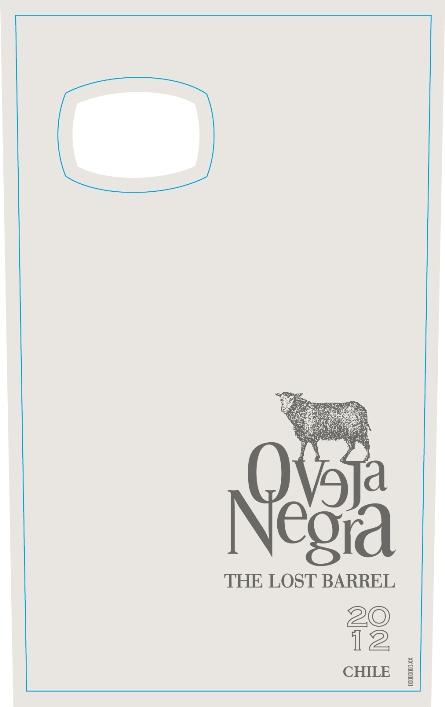
2012 Maule Valley Carignan 45% Cabernet Franc 30% Petite Verdot 25%
Oveja Negra Lost Barrel is a captivating red wine hailing from the renowned Maule Valley, showcasing an intriguing blend of Carignan, Cabernet Franc, and Petite Verdot. This vintage from 2012 presents a medium-bodied character, coupled with a high acidity that invigorates the palate and adds a refreshing brightness to each sip. The fruit intensity is notably prominent, offering luscious flavors of dark cherry and ripe plum, intertwined with subtle hints of smoke and earthiness. The tannins are firm yet refined, providing structure and depth to the wine while enhancing its ability to age gracefully. As a dry wine, it allows the fruit and oak nuances to shine through, making it a delightful companion for a variety of dishes.
Oveja Negra Lost Barrel is a captivating red wine hailing from the renowned Maule Valley, showcasing an intriguing blend of Carignan, Cabernet Franc, and Petite Verdot. This vintage from 2012 presents a medium-bodied character, coupled with a high acidity that invigorates the palate and adds a refreshing brightness to each sip. The fruit intensity is notably prominent, offering luscious flavors of dark cherry and ripe plum, intertwined with subtle hints of smoke and earthiness. The tannins are firm yet refined, providing structure and depth to the wine while enhancing its ability to age gracefully. As a dry wine, it allows the fruit and oak nuances to shine through, making it a delightful companion for a variety of dishes.


