
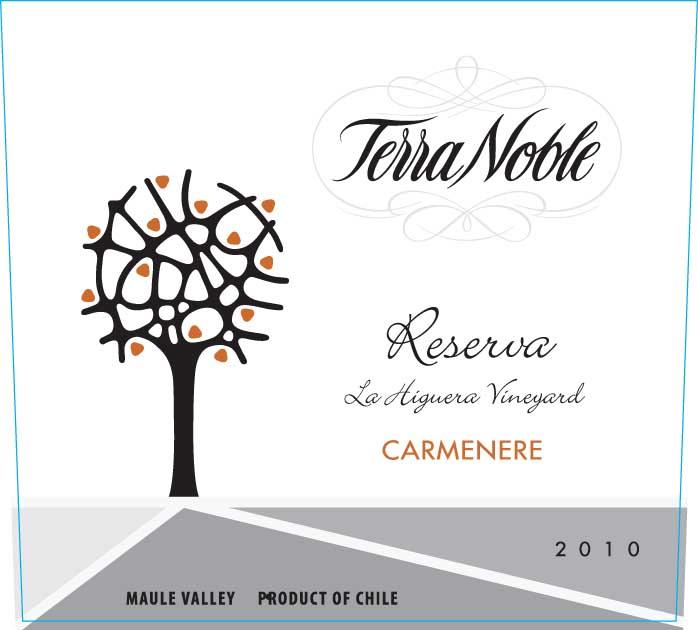
2010 Maule Valley Carmenere
The Terranoble La Higuera Vineyard 2010 Carmenere from the esteemed Maule Valley presents a captivating expression of the varietal. This red wine embodies a medium-bodied character, achieving a wonderful balance between richness and approachability. The acidity is bright and lively, adding a refreshing quality that enhances the wine's overall vibrancy. Its tannins are firm yet polished, providing a structure that supports the wine's depth without overwhelming the palate. Fruit intensity is pronounced, featuring enticing notes of dark berries, plum, and hints of blackcurrant that intermingle gracefully with subtle herbal and spice undertones, enriching the tasting experience. This wine is dry, showcasing a beautifully integrated profile that invites a variety of food pairings, making it a delightful choice for both casual gatherings and special occasions.
The Terranoble La Higuera Vineyard 2010 Carmenere from the esteemed Maule Valley presents a captivating expression of the varietal. This red wine embodies a medium-bodied character, achieving a wonderful balance between richness and approachability. The acidity is bright and lively, adding a refreshing quality that enhances the wine's overall vibrancy. Its tannins are firm yet polished, providing a structure that supports the wine's depth without overwhelming the palate. Fruit intensity is pronounced, featuring enticing notes of dark berries, plum, and hints of blackcurrant that intermingle gracefully with subtle herbal and spice undertones, enriching the tasting experience. This wine is dry, showcasing a beautifully integrated profile that invites a variety of food pairings, making it a delightful choice for both casual gatherings and special occasions.


