
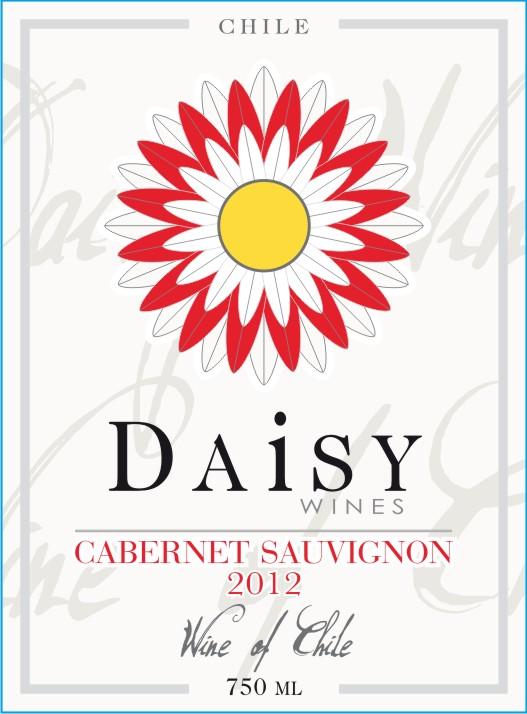
2012 Maule Valley Cabernet Sauvignon
Daisy Daisy is a stunning 2012 Cabernet Sauvignon that hails from the picturesque Maule Valley, a region renowned for its exceptional winegrowing conditions. This red wine showcases a rich, full-bodied profile, perfectly balanced with a vibrant acidity that brings brightness to each sip. The fruit intensity is prominent, featuring luscious notes of ripe blackcurrant and dark cherry, complemented by hints of baking spices and earthy undertones. With the tannins offering a structured yet approachable quality, this wine glides effortlessly across the palate, making it an excellent companion for hearty meals or a cozy evening by the fireplace. It's a delightful expression of the Maule Valley's terroir, and its overall composition is sure to leave a lasting impression on any wine enthusiast.
Daisy Daisy is a stunning 2012 Cabernet Sauvignon that hails from the picturesque Maule Valley, a region renowned for its exceptional winegrowing conditions. This red wine showcases a rich, full-bodied profile, perfectly balanced with a vibrant acidity that brings brightness to each sip. The fruit intensity is prominent, featuring luscious notes of ripe blackcurrant and dark cherry, complemented by hints of baking spices and earthy undertones. With the tannins offering a structured yet approachable quality, this wine glides effortlessly across the palate, making it an excellent companion for hearty meals or a cozy evening by the fireplace. It's a delightful expression of the Maule Valley's terroir, and its overall composition is sure to leave a lasting impression on any wine enthusiast.


