
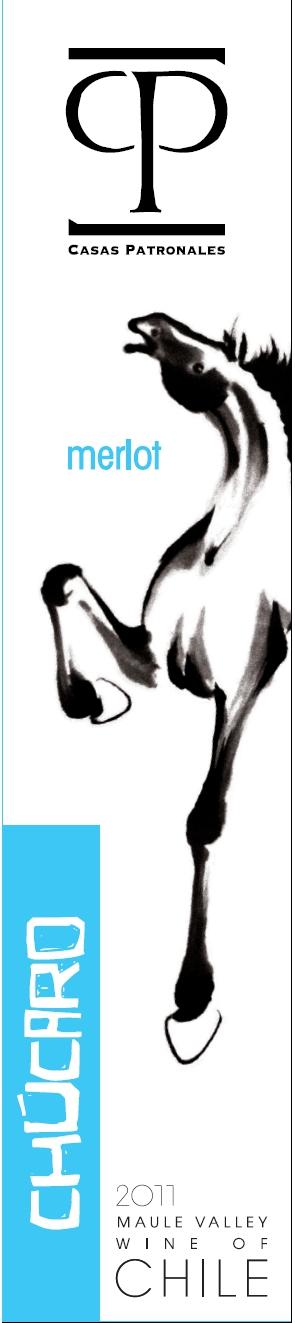
2011 Maule Valley Merlot
The 2011 Casas Patronales Chucaro is a captivating red Merlot that showcases the lush terroir of the Maule Valley. With a full-bodied profile, this wine exhibits a harmonious balance of vibrant acidity, making each sip refreshing and inviting. The fruit intensity is prominent, revealing lush notes of black cherry and plums, beautifully intertwined with subtle hints of chocolate and spice. Tannins are notably structured, providing a firm backbone that supports the wine's rich character. This delightful offering presents itself as dry, allowing the nuanced flavors to shine, making it an excellent companion for a variety of hearty dishes or to enjoy on its own. With its elegant complexity, the Casas Patronales Chucaro is a true reflection of the stunning Maule Valley.
The 2011 Casas Patronales Chucaro is a captivating red Merlot that showcases the lush terroir of the Maule Valley. With a full-bodied profile, this wine exhibits a harmonious balance of vibrant acidity, making each sip refreshing and inviting. The fruit intensity is prominent, revealing lush notes of black cherry and plums, beautifully intertwined with subtle hints of chocolate and spice. Tannins are notably structured, providing a firm backbone that supports the wine's rich character. This delightful offering presents itself as dry, allowing the nuanced flavors to shine, making it an excellent companion for a variety of hearty dishes or to enjoy on its own. With its elegant complexity, the Casas Patronales Chucaro is a true reflection of the stunning Maule Valley.


