
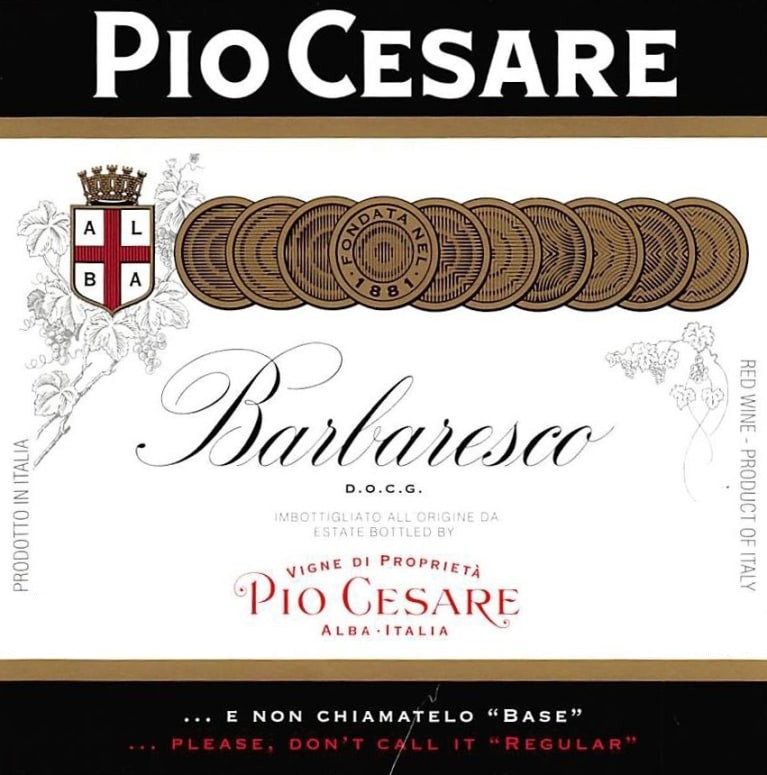
1971 Barbaresco Red Blend
Pio Cesare Barbaresco from the esteemed 1971 vintage is a mesmerizing red blend that beautifully encapsulates the essence of the Barbaresco region. This wine showcases a vibrant red hue, enticing the senses with its rich and complex character. On the palate, it presents a medium-bodied profile, balancing a delightful acidity that brings a lively brightness to each sip. The fruit intensity is pronounced, revealing layers of ripe red cherries and dark berries, complemented by subtle hints of spice and earthy undertones. Its tannins are notably firm yet incredibly refined, offering a structured texture that enhances the wine's longevity. With its dry finish, this Pio Cesare Barbaresco promises an elegant experience, whether enjoyed now or thoughtfully cellared for future enjoyment.
Pio Cesare Barbaresco from the esteemed 1971 vintage is a mesmerizing red blend that beautifully encapsulates the essence of the Barbaresco region. This wine showcases a vibrant red hue, enticing the senses with its rich and complex character. On the palate, it presents a medium-bodied profile, balancing a delightful acidity that brings a lively brightness to each sip. The fruit intensity is pronounced, revealing layers of ripe red cherries and dark berries, complemented by subtle hints of spice and earthy undertones. Its tannins are notably firm yet incredibly refined, offering a structured texture that enhances the wine's longevity. With its dry finish, this Pio Cesare Barbaresco promises an elegant experience, whether enjoyed now or thoughtfully cellared for future enjoyment.


